



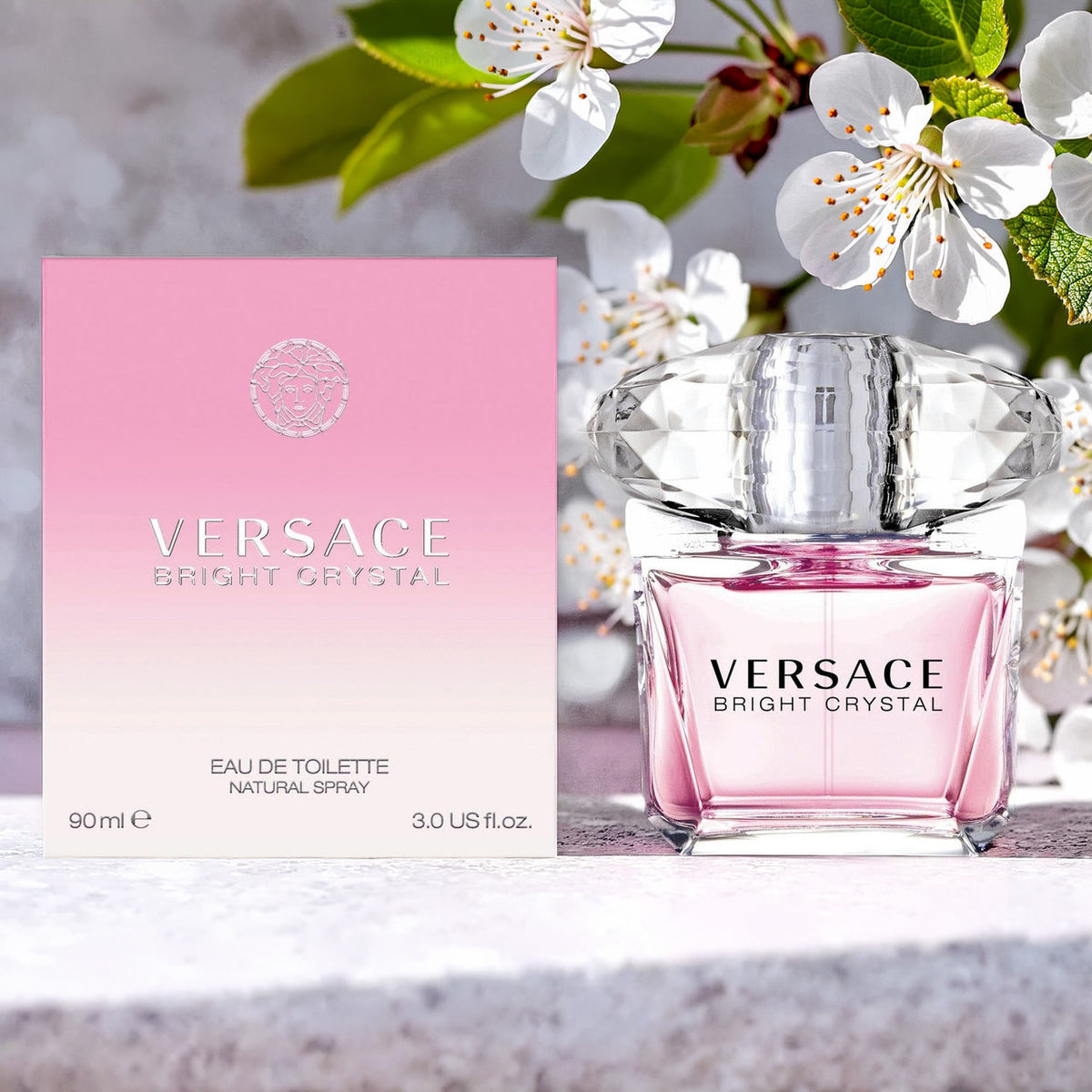


Eau de Parfum vs Eau de Toilette: What the Labels Mean
The words on the bottle describe how much fragrance oil is in the mix. They are not grades, and the stronger one is not automatically the better buy.
The rough scale
From lightest to heaviest you will usually see eau de cologne, eau de toilette, eau de parfum, and parfum or extrait. Each step up carries more fragrance oil and less alcohol, so it tends to last longer and sit closer to the skin.
What that means in practice
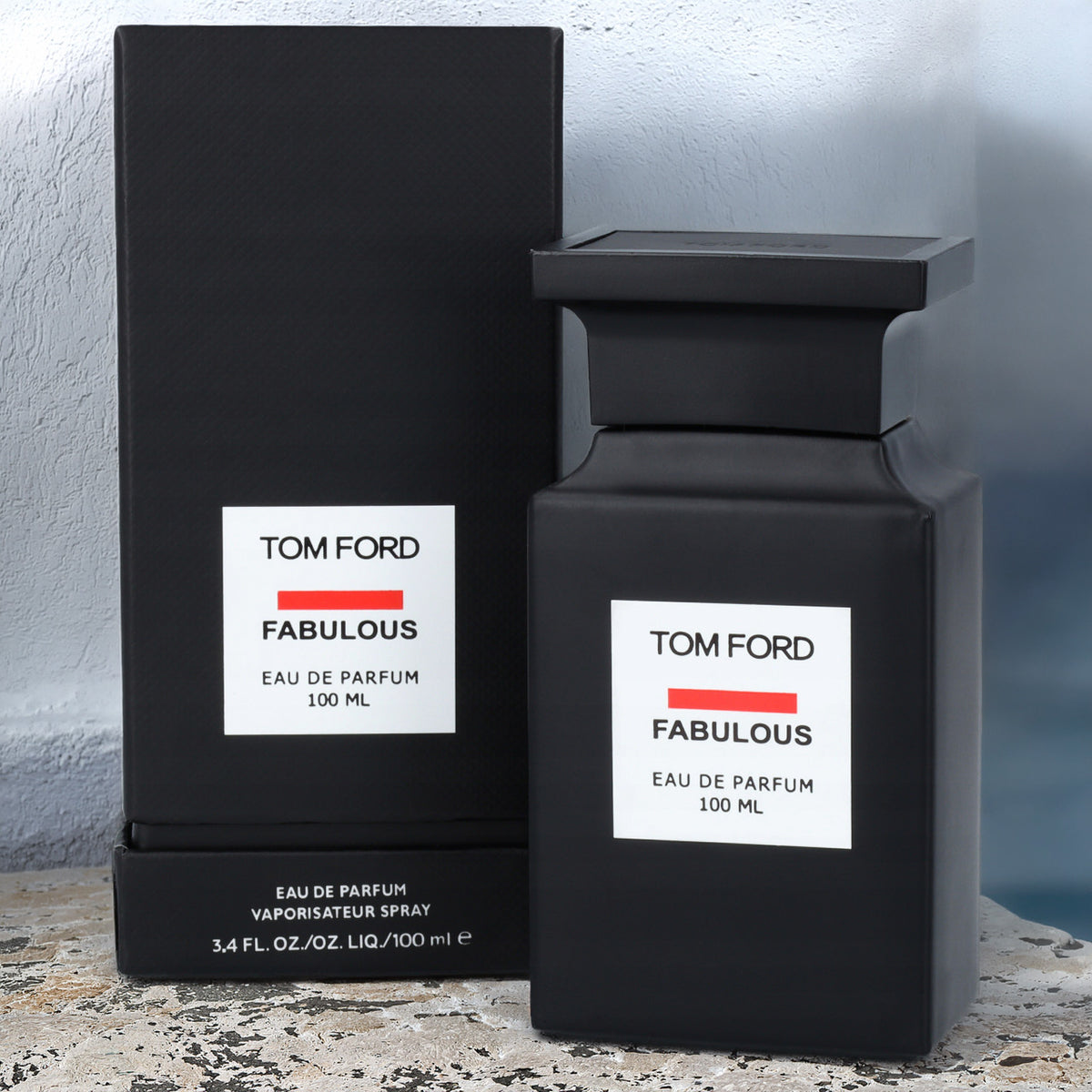
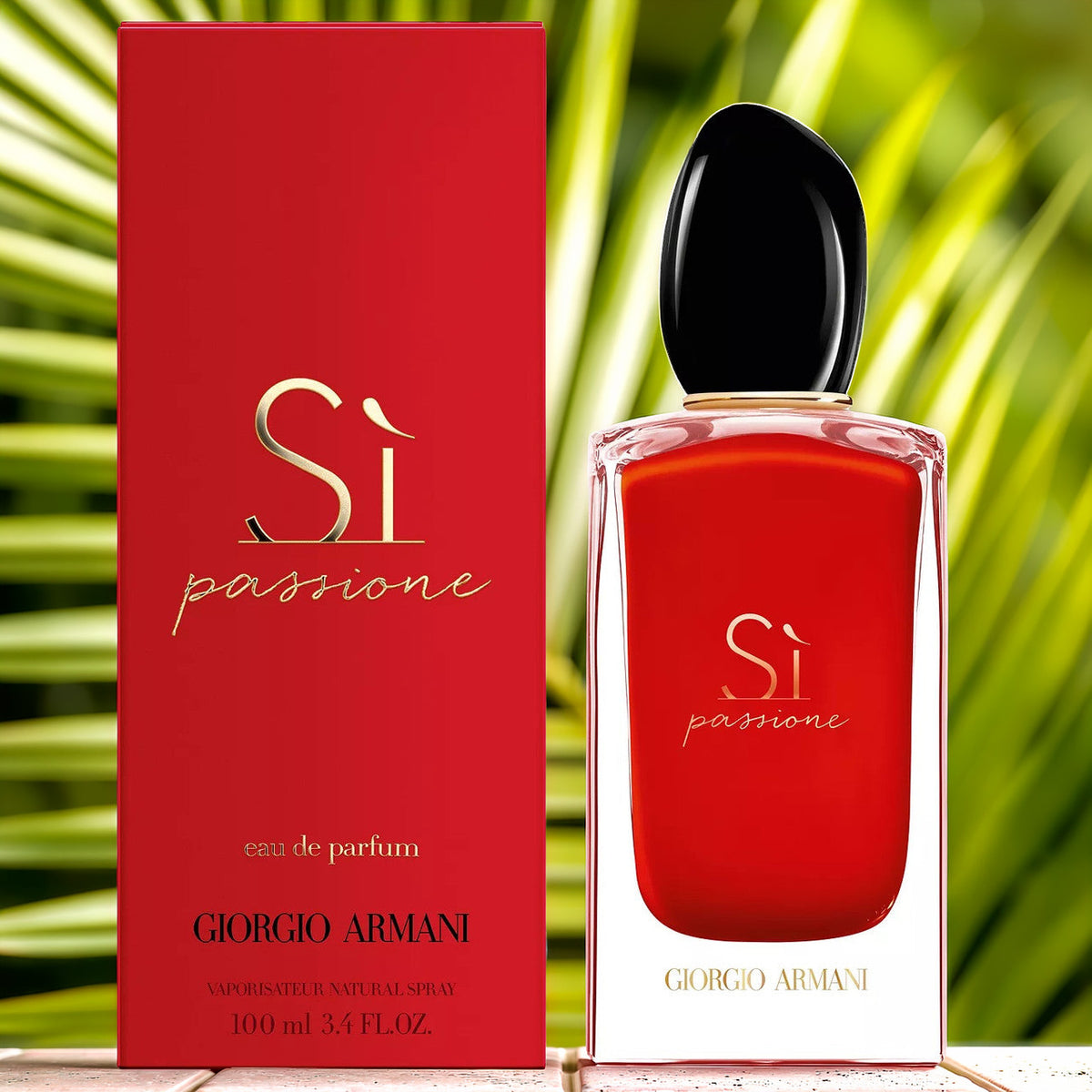
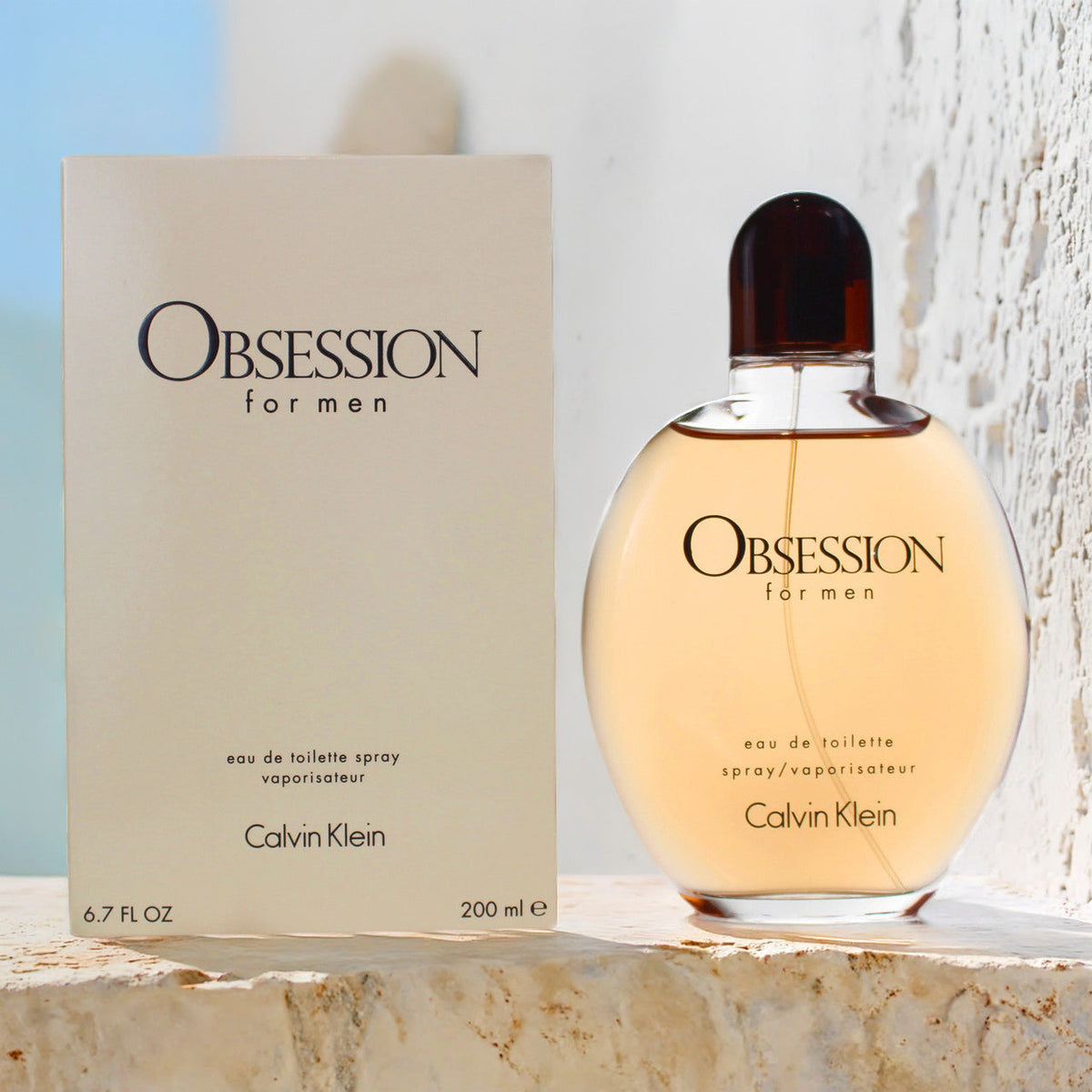
An eau de toilette opens brighter and sharper, and fades sooner. An eau de parfum takes a few minutes to settle, then stays. Neither is more authentic than the other, and many houses release the same name in both, built to slightly different formulas rather than simply diluted.
Which to choose
Buy the lighter concentration for daytime, heat, an office, or anywhere you sit close to other people. Buy the heavier one for evening, cold weather, or when you want it to last through a long day without reapplying.
Why the same name can smell different
Because the formulas differ, an eau de parfum is not just a louder version of the eau de toilette. Sometimes a different note is pushed forward. If you liked one and not the other, you were not imagining it.
A note on price per wear
A larger bottle of a lighter concentration can outlast a small bottle of a heavy one, even though it fades faster per spray. Work out what you are paying per millilitre before deciding the stronger bottle is the better value.